OET at World Future Energy Summit 2026: From Technology to Local Manufacturing

OET at World Future Energy Summit 2026 | Integrated OPV Technologies
OET participates in WFES 2026 in Abu Dhabi, presenting integrated, semi-transparent OPV technologies for agrivoltaics, urban infrastructure, and BIPV.

OET Energy Technologies will participate in the World Future Energy Summit 2026 (WFES) in Abu Dhabi, presenting its advanced integrated Organic Photovoltaic (OPV) solutions designed for real-world deployment across agrivoltaics, urban infrastructure, and building-integrated photovoltaics (BIPV).

Leveraging fully automated roll-to-roll manufacturing, OET develops flexible, lightweight, and semi-transparent OPVs that generate clean energy without competing for land use. OET’s technologies enable energy-positive greenhouses, climate-adaptive urban structures, and architecturally integrated solar systems that support food security, urban cooling, and sustainable development.

At WFES 2026, OET demonstrates how OPV technologies move from research to scalable local manufacturing, offering proven solutions for multi-land-use energy generation and climate-resilient infrastructure. With a strong focus on technology transfer, industrial readiness, and deployment at scale, OET contributes to the global transition toward integrated, low-impact renewable energy systems.

Visit OET at Hall 7, Stand 7280, to explore how integrated OPVs are reshaping energy generation for smart cities, agriculture, and the built environment.

The Future of Building-Integrated Solar: OET Semi-Transparent OPVs

The Future of Building-Integrated Solar: OET Semi-Transparent OPVs

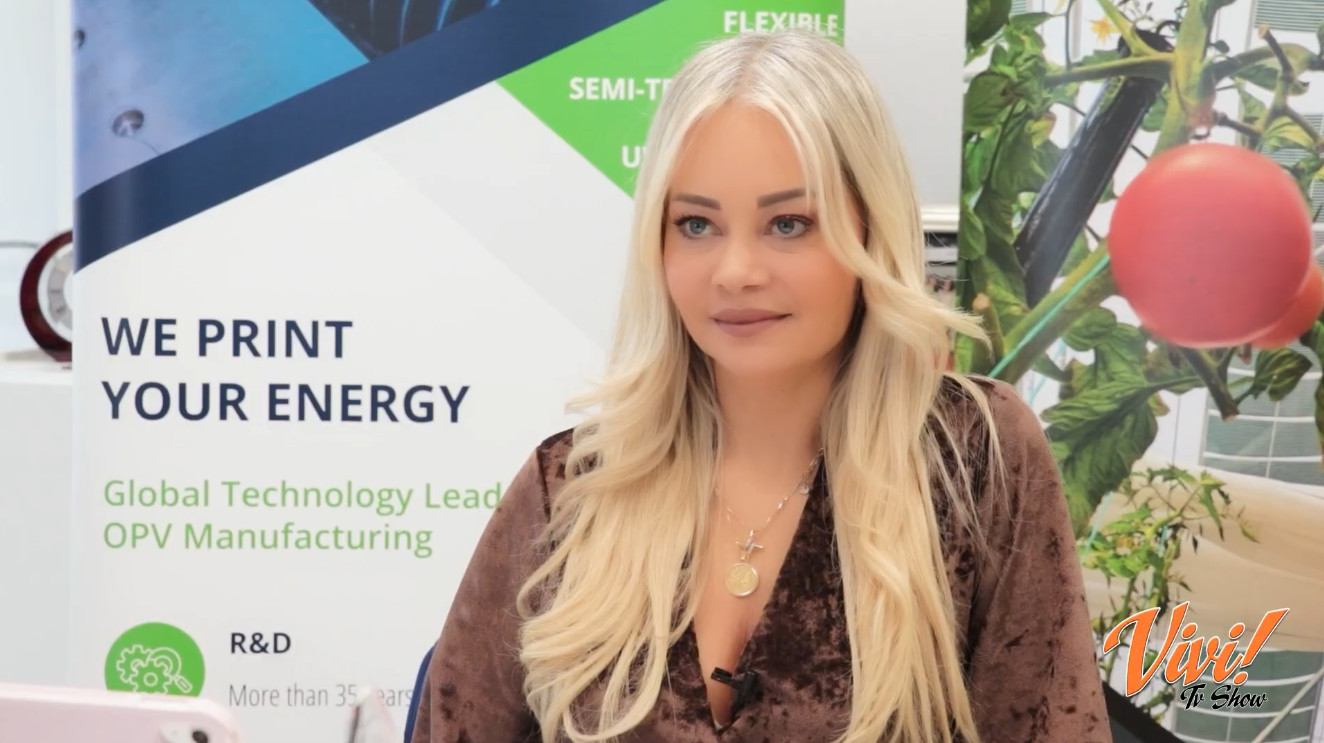
Organic Electronics Technologies (OET) develops advanced semi-transparent Organic Photovoltaic (OPV) solutions that enable clean energy generation directly within buildings, urban infrastructure, and agricultural environments. Manufactured through fully automated roll-to-roll (R2R) processes, OET OPVs combine flexibility, lightweight design, and architectural integration without land-use trade-offs. OET’s OPV technology is seamlessly integrated into façades, rooftops, pergolas, greenhouses, and public infrastructure, transforming passive surfaces into active energy-generating assets. Semi-transparent OPVs provide shading, reduce solar heat gain, and lower cooling demand, while preserving aesthetic and structural integrity. In agriculture, OPV-integrated greenhouses enhance climate control, increase crop yield, and enable year-round local food production. In urban environments, OET OPVs support smart city strategies by improving energy efficiency, thermal comfort, and climate resilience. Discover how OET is redefining building-integrated photovoltaics (BIPV) and shaping the future of sustainable, integrated solar energy.

#organic_photovoltaics #OPV_technology #semi_transparent_solar #building_integrated_photovoltaics #BIPV #flexible_solar_panels #roll_to_roll_manufacturing #smart_cities_energy #urban_solar_solutions #sustainable_architecture #green_energy_technology #solar_façades #solar_pergolas solar_greenhouses #agri_photovoltaics #climate_resilient_cities #renewable_energy_innovation #next_generation_solar #OET_OPV #organic_solar_cells

espa