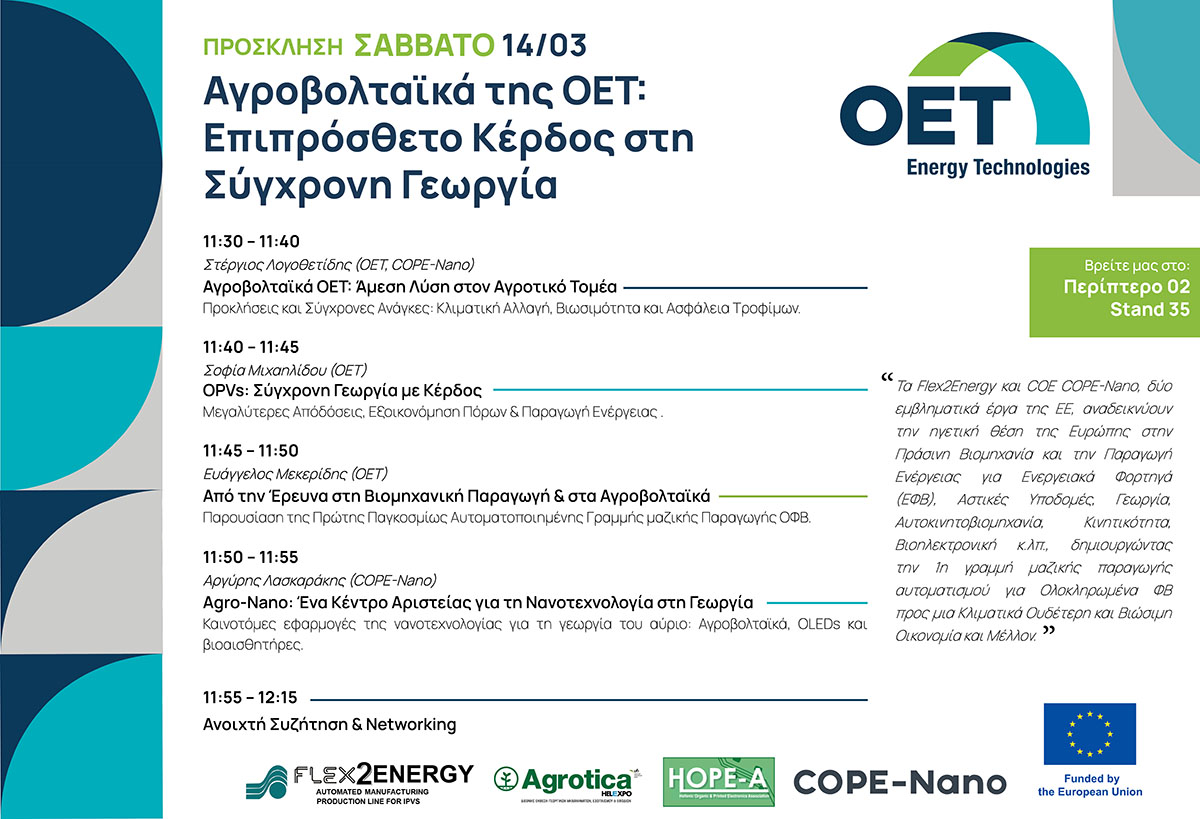
Agrivoltaics Event at Agrotica – March 14

Agrivoltaics Event at Agrotica - March 14

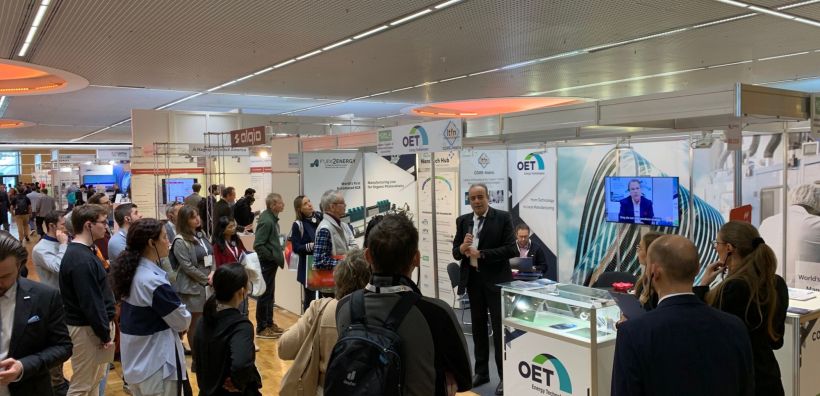
OET is organizing an event on Saturday, March 14, as part of Agrotica 2026. The event will take place in Pavilion 2, Stand 35, at 11:30 a.m., with the topic:
OET Agrivoltaics: Additional Profit in Modern Agriculture

At the same time, the activities of the COPE-Nano Center of Excellence on Agrivoltaics will be presented, as well as the Agri-Nano & Agrivoltaics International Conference, which is being organized for the first time within the framework of the NANOTEXNOLOGY International Multi-Conference in July in Thessaloniki.

Invitation (In Greek):
Read the full article here:

Greenhouse Agriculture and Agrivoltaics: The Greek Innovation of OET’s OPVs in Agricultural Production

Greenhouse Agriculture and Agrivoltaics: The Greek Innovation of OET’s OPVs in Agricultural Production

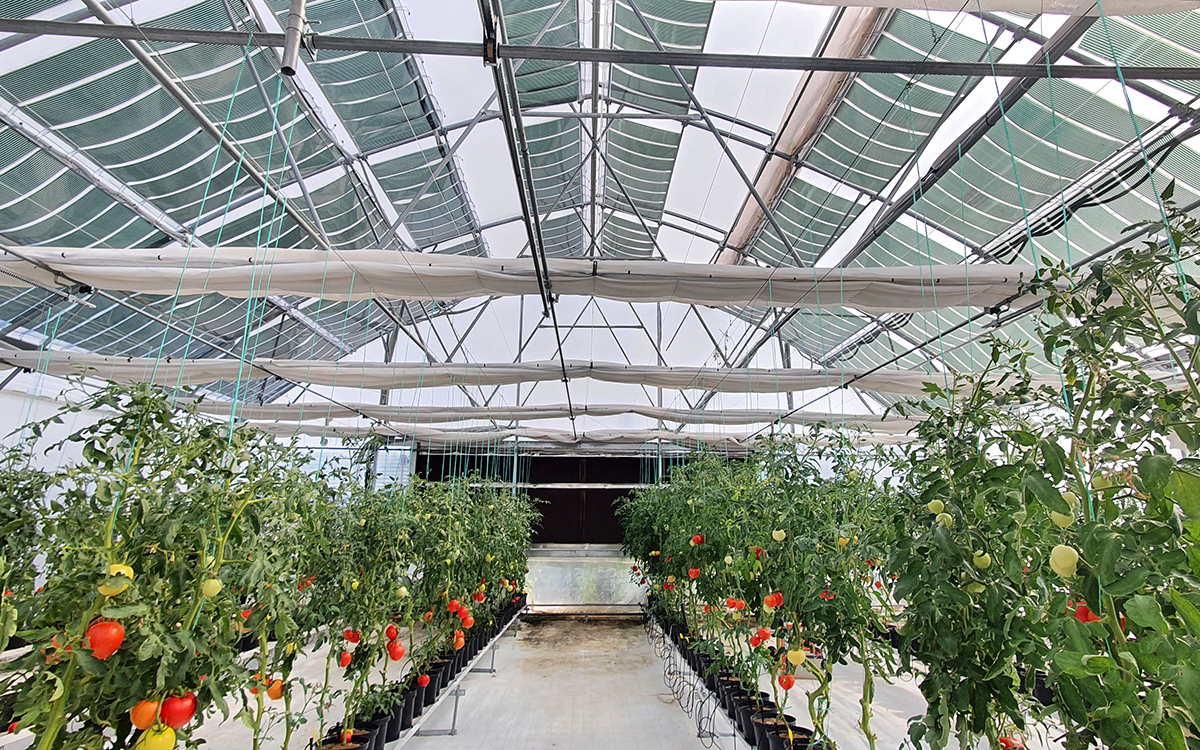
Modern agriculture increasingly relies on the integration of advanced technologies that improve resource efficiency, reduce environmental impact, and enhance the energy autonomy of crops. Hydroponics and Agrivoltaics systems form a new, integrated production model in which agricultural activity is combined with innovation and the generation of clean energy.

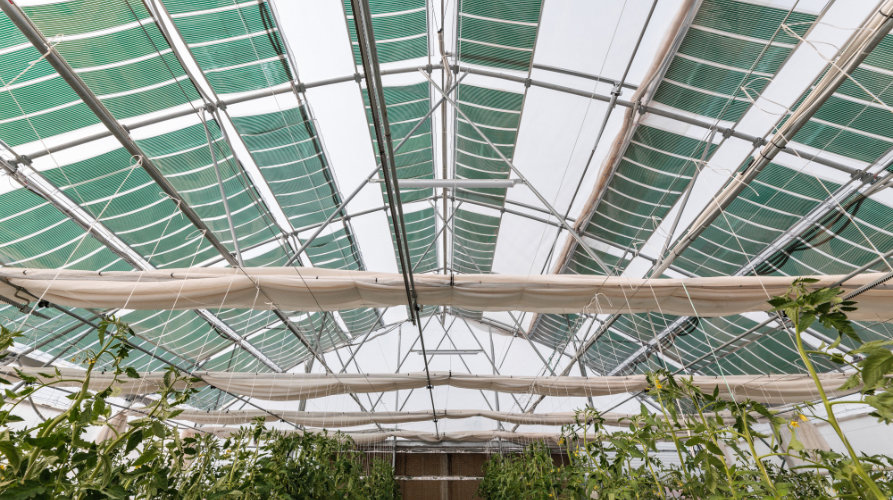
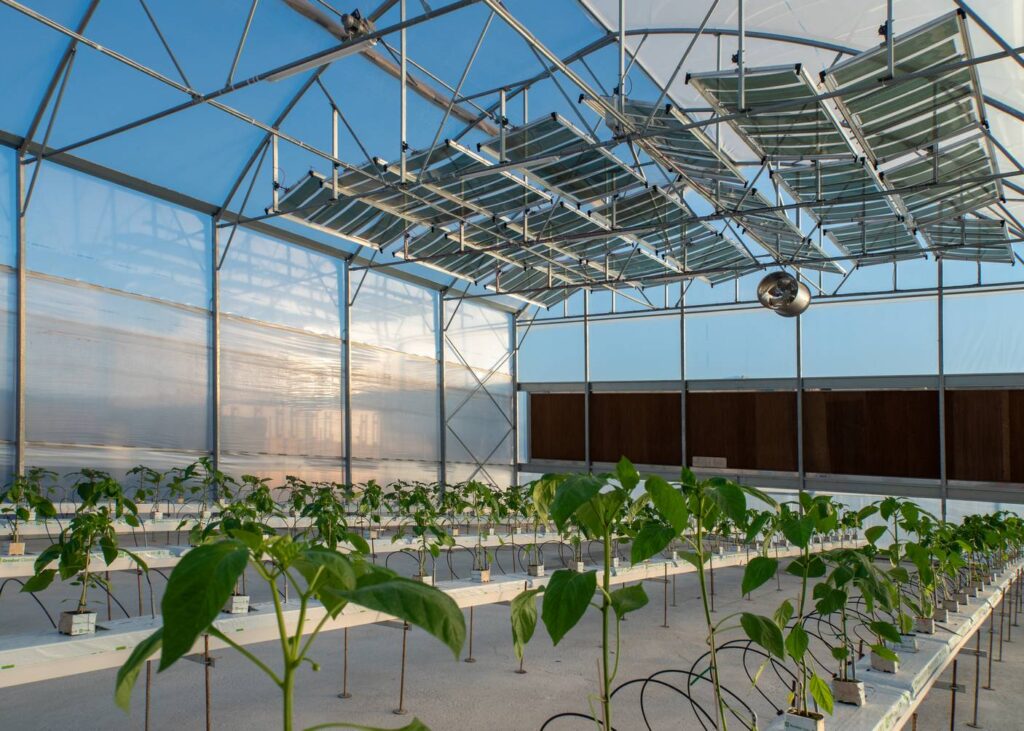
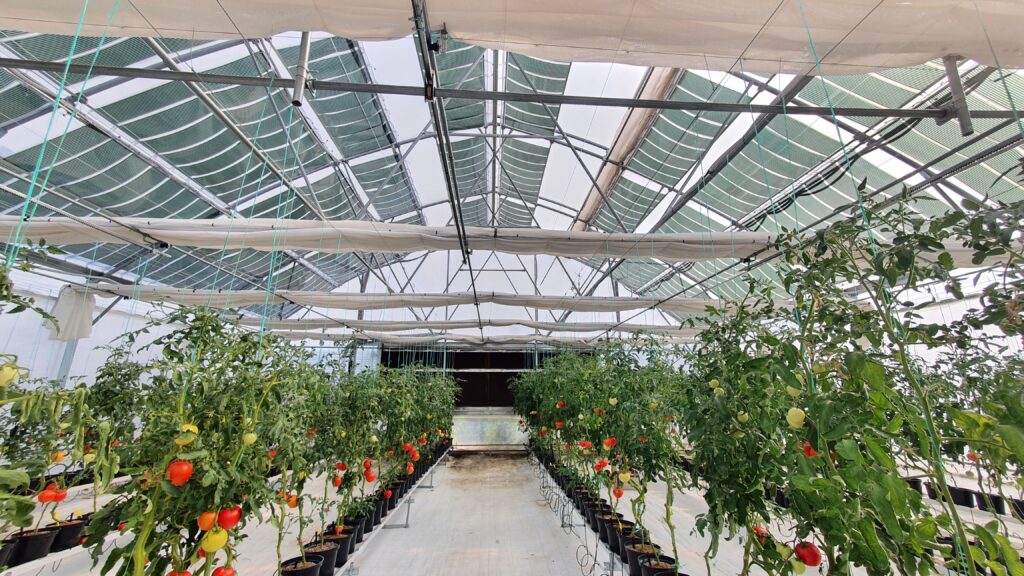
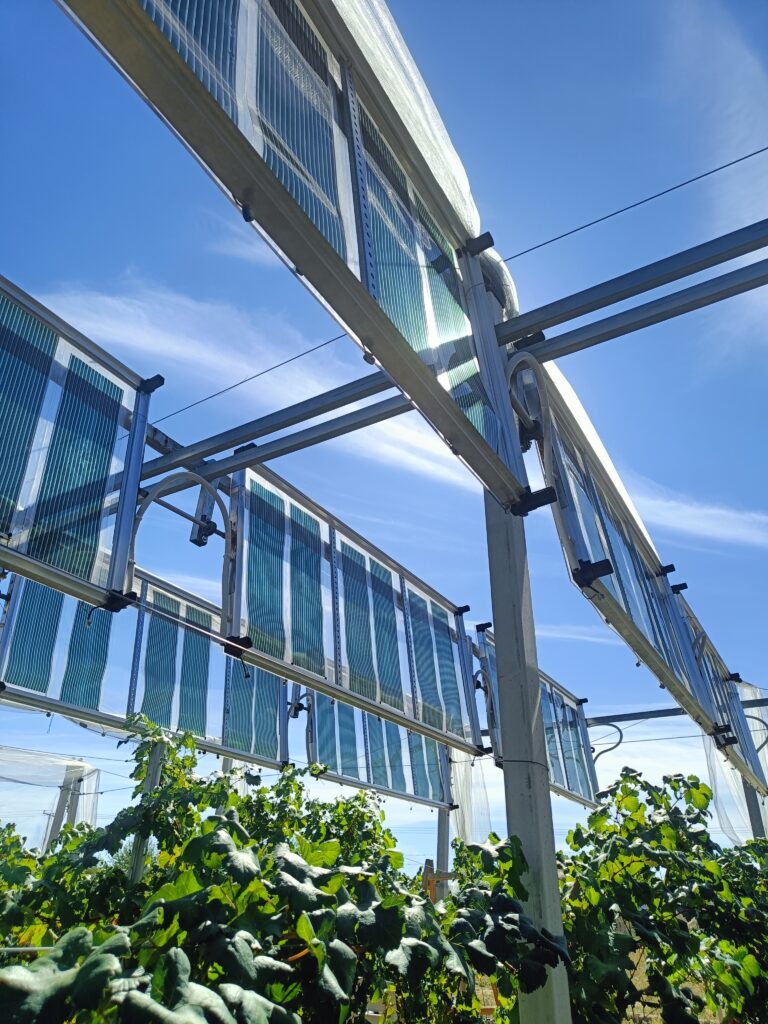
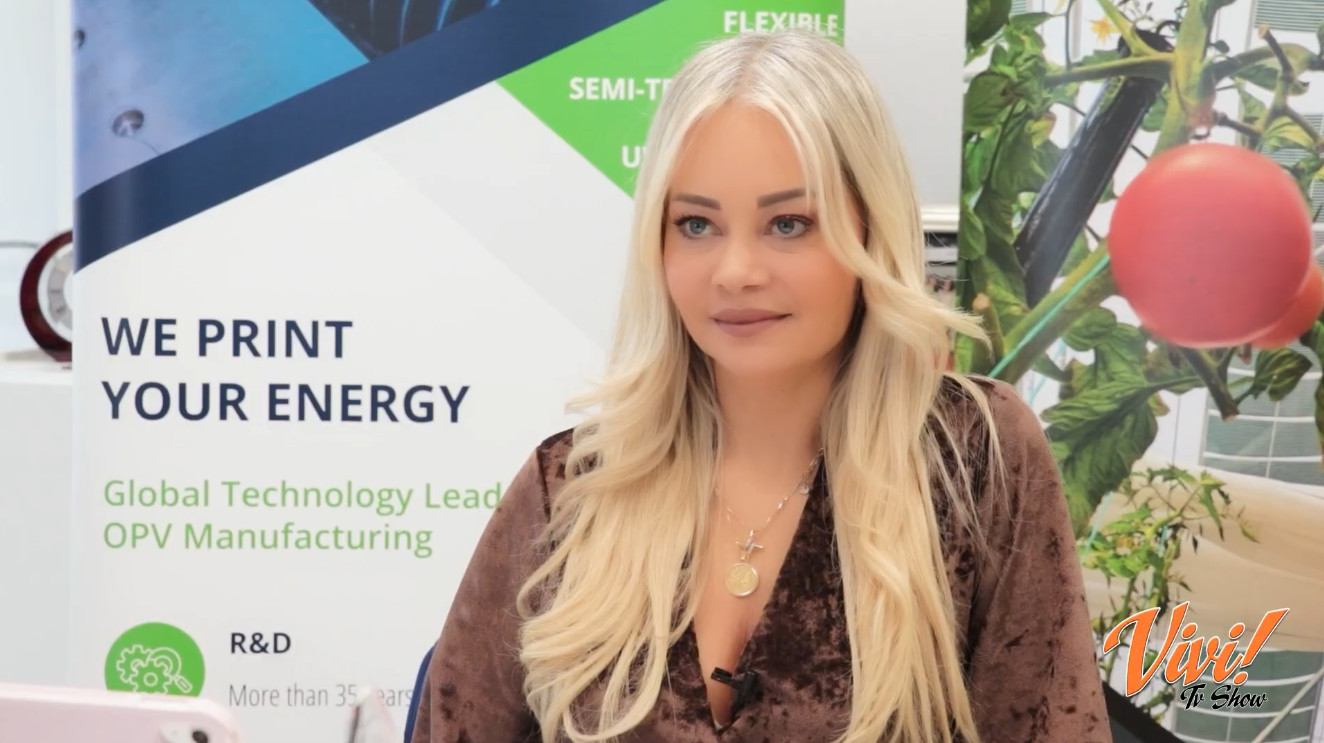
OET Energy Technologies specializes in the development of applications using semi-transparent organic photovoltaics that provide energy autonomy and can be installed on virtually any surface. OPVs are flexible, lightweight, and semi-transparent, allowing solar radiation to pass through from both sides while simultaneously providing shading.

Read the full articles here:

  • Θερμοκηπιακή γεωργία και αγροβολταϊκά: Η ελληνική καινοτομία των ΟΦΒ της ΟΕΤ στην αγροτική παραγωγή
    09/03/26 www.thessalikigi.gr

  • Θερμοκηπιακή γεωργία και αγροβολταϊκά: Η ελληνική καινοτομία των ΟΦΒ της ΟΕΤ στην αγροτική παραγωγή
    09/03/26 www.energypress.gr

Agrivoltaics that cultivate profit – The innovation of OET Energy Technologies

Agrivoltaics that cultivate profit – The innovation of OET Energy Technologies

The transition to a smarter and more energy-autonomous agricultural model is no longer a theoretical scenario. With Greek expertise and applications already being tested in practice, the organic photovoltaics of OET Energy Technologies—a company that emerged from the Laboratory of Nanotechnology at the Aristotle University of Thessaloniki—are emerging as a catalyst for the modernization of the primary sector, substantially strengthening the competitiveness and sustainability of Greek agricultural production.

As highlighted in today’s announcement, the multiple benefits secured for producers through the installation of OET Energy Technologies’ organic photovoltaics confirm that modern agriculture increasingly relies on the integration of advanced technologies that enhance resource efficiency, reduce environmental footprint, and strengthen the energy autonomy of crops. In an environment of rising energy costs and climate uncertainty, Greek innovation in agrivoltaics is shaping a new, sustainable model of agricultural production.

Read the full articles here:

  • Αγροβολταϊκά που…καλλιεργούν κέρδος – Η ελληνική καινοτομία της OET Energy Technologies
    03/03/26 www.businessnews.gr

  • Αγροβολταϊκά που…καλλιεργούν κέρδος – Η ελληνική καινοτομία της OET Energy Technologies
    03/03/26 www.ypaithros.gr

  • Η ελληνική καινοτομία της OET Energy Technologies: Αγροβολταϊκά που… καλλιεργούν κέρδος
    03/03/26 www.epixeiro.gr

  • Αγροβολταϊκά που καλλιεργούν κέρδος-Η καινοτομία της OET Energy Technologies
    03/03/26 www.amna.gr

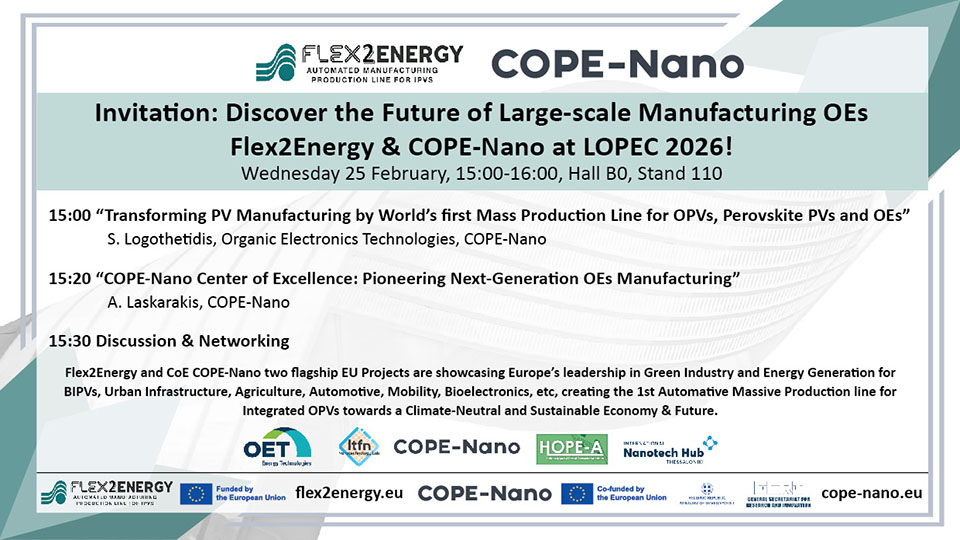
Presentation of the Flex2Energy and COPE-Nano projects at LOPEC 2026 in Munich

Presentation of the Flex2Energy and COPE-Nano projects at LOPEC 2026 in Munich

The two flagship European projects, Flex2Energy and the COPE-Nano Center of Excellence, which highlight the leading position of Europe and Greece in Green Industry and energy production—with applications in Energy-Efficient Buildings, Agri-food, Healthcare, Automotive, Electronics, Urban Infrastructure, and more—were presented during the International Conference and Exhibition LOPEC 2026, held from February 24–26, 2026, in Munich, Germany. The event is one of the largest international gatherings for the industry and applications of Organic Printed Electronics.

Read the full articles here:

  • Παρουσίαση των έργων Flex2Energy και COPE-Nano στο LOPEC 2026 στο Μόναχο
    03/03/26 www.newsique.gr

  • Τα δύο εμβληματικά Ευρωπαϊκά έργα Flex2Energy & COPE-Nano Center of Excellence παρουσιάζουν την ηγετική θέση της Ευρώπης στην Πράσινη Βιομηχανία στα πλαίσια του LOPEC 2026
    03/03/26 www.energypress.gr

OPVs in Mediterranean and MENA Greenhouses: Climate Control & Energy Autonomy

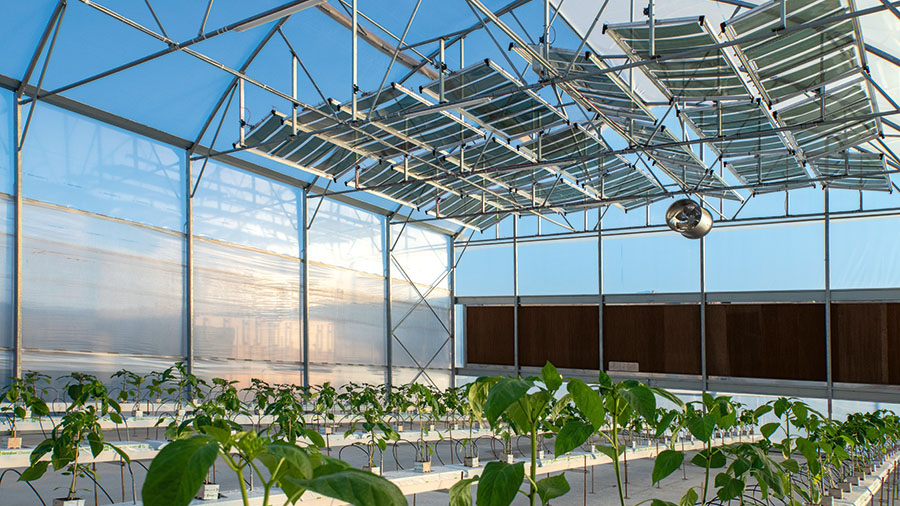
Energy has become one of the most critical cost factors in modern greenhouse operations. Heating, cooling, irrigation systems, ventilation, and lighting require significant and continuous energy consumption throughout the year. Especially in southern countries, growers face high solar radiation and prolonged periods of elevated temperatures and extreme heatwaves. During peak summer months, ventilation and cooling systems may operate continuously for 8 to 12 hours per day. In many Mediterranean and Middle Eastern regions, energy used for cooling can represent up to 60 – 80% of total electricity consumption in modern greenhouse facilities, with annual cooling demand typically reaching around 100,000 kWh per hectare.

One of the most effective solutions available today is the integration of OET’s organic photovoltaic (OPV) systems, particularly in regions with high solar irradiation levels, often exceeding 1,700 to 2,200 kWh/m2annually. By generating solar energy, producers can significantly reduce their dependence on the grid and reduce their operational expenses. Energy autonomy also enhances operational resilience. Greenhouse operators become less vulnerable to energy price fluctuations and grid instability.

Beyond immediate cost savings, photovoltaic systems offer more financial benefits. OPVs are semi-transparent, thus allowing sufficient photosynthetically active radiation (PAR) to reach the crops while filtering all excess and harmful ultraviolet (UV) radiation. Furthermore, yield increases of up to 30% have been reported in greenhouse crops such as tomato, pepper, and eggplant, and up to 40% in open-field cultivations. OPVs also contribute to thermal control, by reducing more than 75% of the infrared (IR) radiation that causes heating, resulting in lowering greenhouse temperatures during summer months and decreasing cooling demand and electricity consumption. Additionally, OPVs reduce evapotranspiration rates, leading to water savings, which is an essential advantage in water-scarce regions.

As a result, this creates a predictable and sustainable energy model for agricultural businesses. The transition to energy-autonomous greenhouses represents a strategic investment in both economic and environmental sustainability. By adopting OET’s OPV technology, greenhouse operators can reduce costs, improve energy security, and strengthen their competitiveness in an evolving agricultural sector.

The article has been published here (20/02/2026 at www.ugaatbouwen.com).


More Information:
Tel.: +30 2312 134876
Email: info@oe-technologies.com
www.oe-technologies.com

Two Flagship Projects of the European Green Industry at LOPEC 2026 (in Greek)

Τα δύο εμβληματικά ευρωπαϊκά έργα Flex2Energy και COPE-Nano Center of Excellence παρουσιάζουν την ηγετική θέση της Ευρώπης στη πράσινη βιομηχανία και την παραγωγή ενέργειας, με εφαρμογές σε BIPVs, αστικές υποδομές, γεωργία, αυτοκινητοβιομηχανία, κινητικότητα, βιοηλεκτρονική και πολλά ακόμη πεδία.

Δύο εμβληματικά έργα της ευρωπαϊκής πράσινης βιομηχανίας στο LOPEC 2026
20/02/26 www.news.b2green.gr

OET featured in PROFlextronics No6

In the February 2026 issue of PRO Flextronics, an article highlights OET’s advancements in Organic Photovoltaics (OPVs):

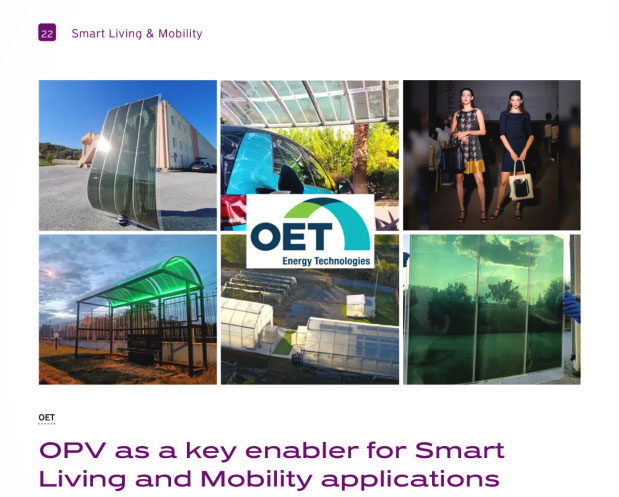
  1. OPV as a Key Enabler for Smart Living and Mobility Applications:
    Evangelos Mekeridis, CTO, OET Energy Technologies discusses the manufacturing of integrated organic photovoltaics as enablers of energy harvesting, shading and thermal management in smart living, mobility and other applications.

Read the article here: PRO Flextronics No. 6 – February 2026

World Future Energy Summit 2026 in Abu Dhabi

World Future Energy Summit 2026 in Abu Dhabi

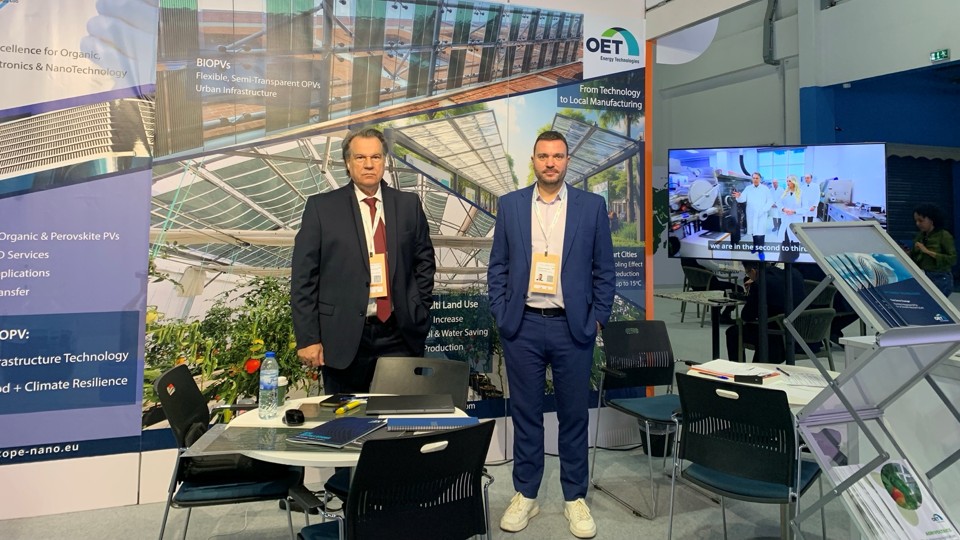
🚀Strategic participation of Organic Electronic Technologies and the Nanotech Hub Thessaloniki

The Greek company Organic Electronic Technologies (OET) and the Nanotech Hub Thessaloniki are participating strategically in the World Future Energy Summit (WFES) 2026, taking place in Abu Dhabi from 13–15 January 2026, one of the world’s leading global platforms for the transition to Green, Clean and Sustainable Energy.

💡The World Future Energy Summit brings together governments, industry leaders, investors, technology pioneers and the scientific community, aiming to accelerate collaboration and innovation across the entire global energy value chain.

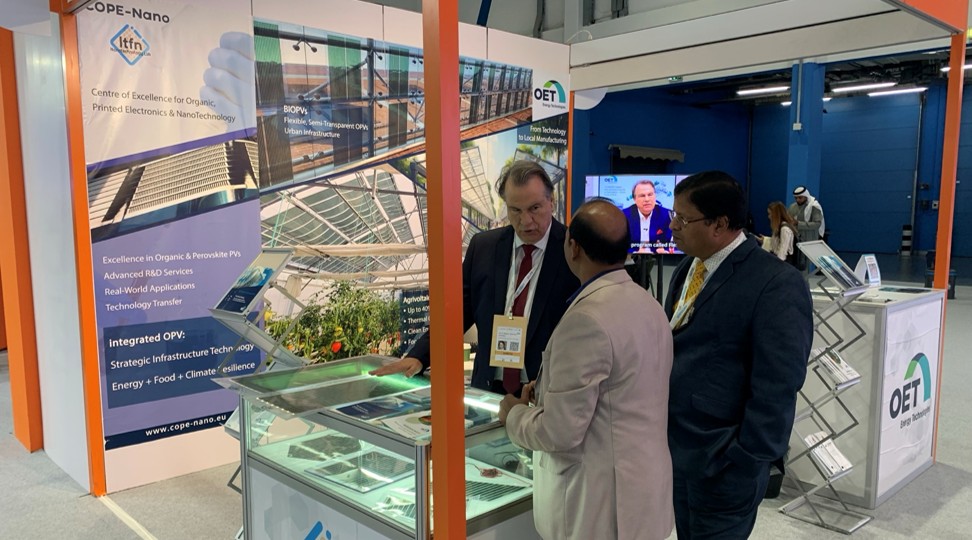
As part of the event, which also includes a Global Exhibition of Products and Applications showcasing emerging trends in Green Energy, Organic Electronic Technologies will participate with an exhibition booth, presenting its advanced expertise in the development and industrial-scale production of Semi-Transparent Organic Photovoltaics. OET is currently establishing in the Thessaloniki region the world’s first manufacturing facility for semi-transparent organic photovoltaic modules, marking a major milestone in the global clean energy landscape.

Within the framework of WFES 2026, OET and the Nanotech Hub Thessaloniki will showcase: advanced semi-transparent organic photovoltaic products and solutions, automated manufacturing technologies, metrology and quality control systems for energy-related applications.
Their participation in WFES 2026 significantly strengthens the international visibility of Greek innovation and highlights Thessaloniki as an emerging hub for technology-driven and sustainable industrial development in Europe and the wider Mediterranean region.

🎯At the same time, it opens new opportunities for:
– Strategic international partnerships,
– Technology transfer,
– Commercial exploitation of innovative Sustainable Energy solutions, with applications in Energy-Autonomous Buildings, Agri-food and Agrivoltaics, Automotive and Mobility, and other high-impact sectors.

OET at World Future Energy Summit 2026: From Technology to Local Manufacturing

OET at World Future Energy Summit 2026 | Integrated OPV Technologies

OET participates in WFES 2026 in Abu Dhabi, presenting integrated, semi-transparent OPV technologies for agrivoltaics, urban infrastructure, and BIPV.

OET Energy Technologies will participate in the World Future Energy Summit 2026 (WFES) in Abu Dhabi, presenting its advanced integrated Organic Photovoltaic (OPV) solutions designed for real-world deployment across agrivoltaics, urban infrastructure, and building-integrated photovoltaics (BIPV).

Leveraging fully automated roll-to-roll manufacturing, OET develops flexible, lightweight, and semi-transparent OPVs that generate clean energy without competing for land use. OET’s technologies enable energy-positive greenhouses, climate-adaptive urban structures, and architecturally integrated solar systems that support food security, urban cooling, and sustainable development.

At WFES 2026, OET demonstrates how OPV technologies move from research to scalable local manufacturing, offering proven solutions for multi-land-use energy generation and climate-resilient infrastructure. With a strong focus on technology transfer, industrial readiness, and deployment at scale, OET contributes to the global transition toward integrated, low-impact renewable energy systems.

Visit OET at Hall 7, Stand 7280, to explore how integrated OPVs are reshaping energy generation for smart cities, agriculture, and the built environment.

The Future of Building-Integrated Solar: OET Semi-Transparent OPVs

The Future of Building-Integrated Solar: OET Semi-Transparent OPVs

Organic Electronics Technologies (OET) develops advanced semi-transparent Organic Photovoltaic (OPV) solutions that enable clean energy generation directly within buildings, urban infrastructure, and agricultural environments. Manufactured through fully automated roll-to-roll (R2R) processes, OET OPVs combine flexibility, lightweight design, and architectural integration without land-use trade-offs. OET’s OPV technology is seamlessly integrated into façades, rooftops, pergolas, greenhouses, and public infrastructure, transforming passive surfaces into active energy-generating assets. Semi-transparent OPVs provide shading, reduce solar heat gain, and lower cooling demand, while preserving aesthetic and structural integrity. In agriculture, OPV-integrated greenhouses enhance climate control, increase crop yield, and enable year-round local food production. In urban environments, OET OPVs support smart city strategies by improving energy efficiency, thermal comfort, and climate resilience. Discover how OET is redefining building-integrated photovoltaics (BIPV) and shaping the future of sustainable, integrated solar energy.

#organic_photovoltaics #OPV_technology #semi_transparent_solar #building_integrated_photovoltaics #BIPV #flexible_solar_panels #roll_to_roll_manufacturing #smart_cities_energy #urban_solar_solutions #sustainable_architecture #green_energy_technology #solar_façades #solar_pergolas solar_greenhouses #agri_photovoltaics #climate_resilient_cities #renewable_energy_innovation #next_generation_solar #OET_OPV #organic_solar_cells

espa