Energy has become one of the most critical cost factors in modern greenhouse operations. Heating, cooling, irrigation systems, ventilation, and lighting require significant and continuous energy consumption throughout the year. Especially in southern countries, growers face high solar radiation and prolonged periods of elevated temperatures and extreme heatwaves. During peak summer months, ventilation and cooling systems may operate continuously for 8 to 12 hours per day. In many Mediterranean and Middle Eastern regions, energy used for cooling can represent up to 60 – 80% of total electricity consumption in modern greenhouse facilities, with annual cooling demand typically reaching around 100,000 kWh per hectare.
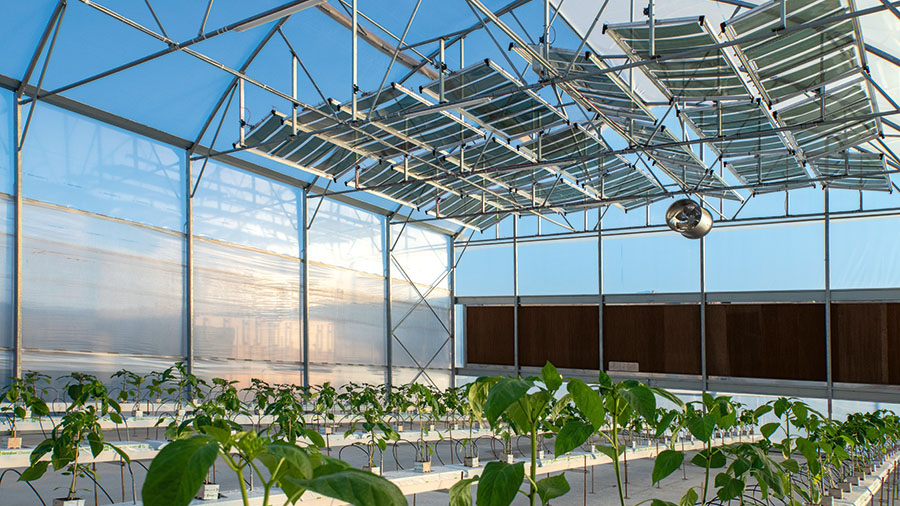
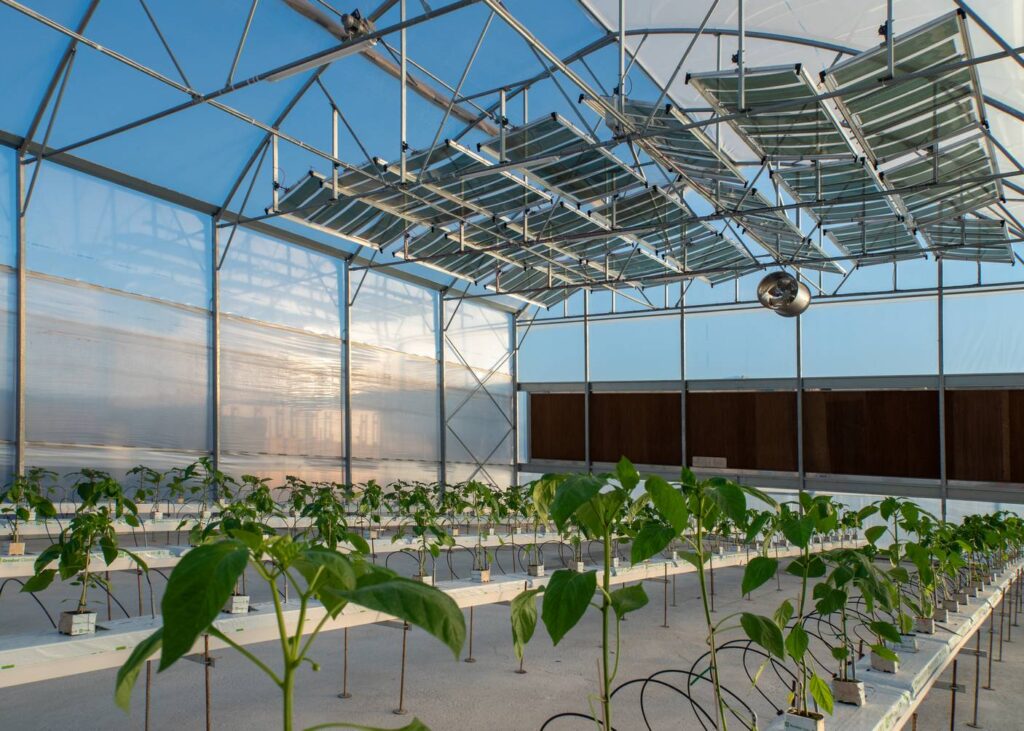
One of the most effective solutions available today is the integration of OET’s organic photovoltaic (OPV) systems, particularly in regions with high solar irradiation levels, often exceeding 1,700 to 2,200 kWh/m2annually. By generating solar energy, producers can significantly reduce their dependence on the grid and reduce their operational expenses. Energy autonomy also enhances operational resilience. Greenhouse operators become less vulnerable to energy price fluctuations and grid instability.
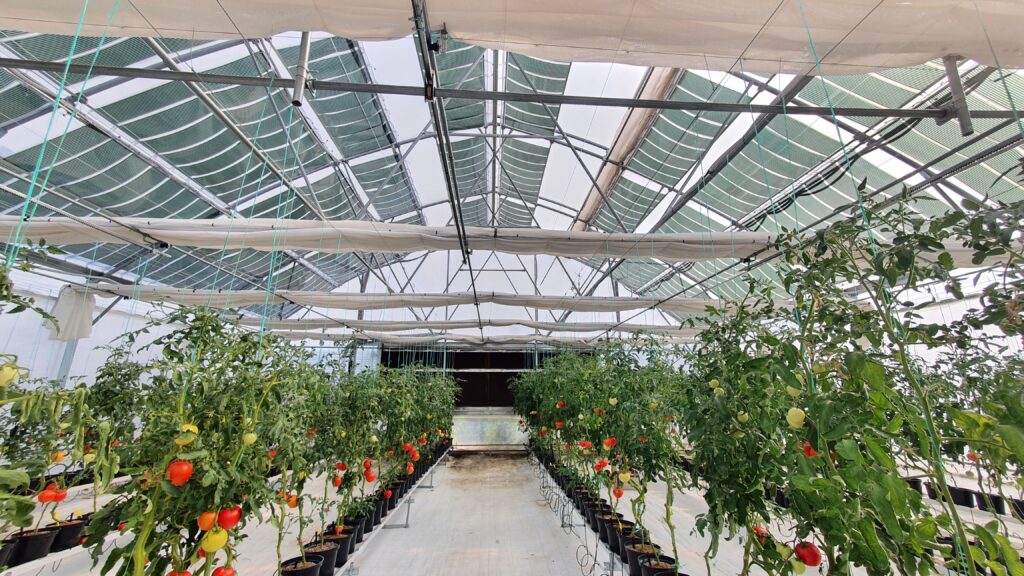
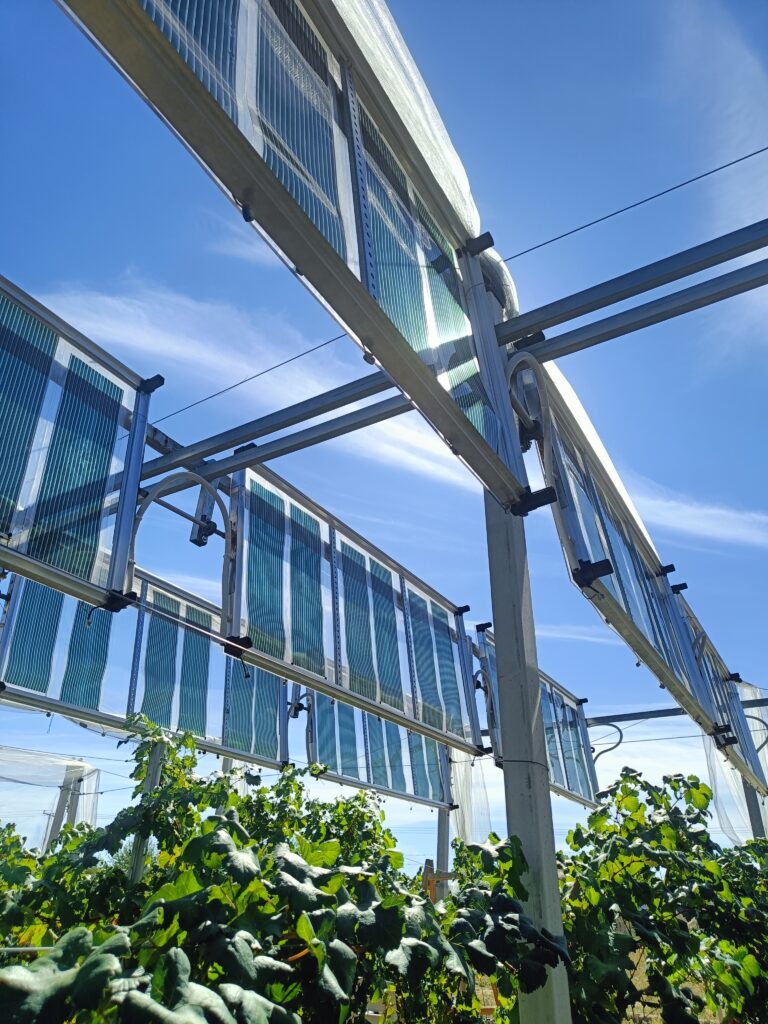
Beyond immediate cost savings, photovoltaic systems offer more financial benefits. OPVs are semi-transparent, thus allowing sufficient photosynthetically active radiation (PAR) to reach the crops while filtering all excess and harmful ultraviolet (UV) radiation. Furthermore, yield increases of up to 30% have been reported in greenhouse crops such as tomato, pepper, and eggplant, and up to 40% in open-field cultivations. OPVs also contribute to thermal control, by reducing more than 75% of the infrared (IR) radiation that causes heating, resulting in lowering greenhouse temperatures during summer months and decreasing cooling demand and electricity consumption. Additionally, OPVs reduce evapotranspiration rates, leading to water savings, which is an essential advantage in water-scarce regions.
As a result, this creates a predictable and sustainable energy model for agricultural businesses. The transition to energy-autonomous greenhouses represents a strategic investment in both economic and environmental sustainability. By adopting OET’s OPV technology, greenhouse operators can reduce costs, improve energy security, and strengthen their competitiveness in an evolving agricultural sector.
The article has been published here (20/02/2026 at www.ugaatbouwen.com).
More Information:
Tel.: +30 2312 134876
Email: info@oe-technologies.com
www.oe-technologies.com
